Bees Against the World – What’s happening to bees and how we can help

This week, worrying headlines have been circulating about the decline of bees, particularly here in the UK. After an exceptionally wet winter, beekeepers are reporting serious losses. Colonies are struggling, food stores are running low, and in some cases, entire hives have not made it through to spring. It is difficult to read, even harder to ignore and if you are raising children, it is the kind of story that makes you pause, because the world they are growing up in is changing.

This is not just about one bad season. It is part of something bigger. As weather patterns become more unpredictable, we are also losing the spaces bees rely on to survive. Wild habitats are shrinking, flower diversity is declining, and the pressure on these tiny, vital creatures is quietly building. And yet, bees do so much for us. Around 75% of global food crops depend, at least in part, on pollination, and much of that is down to bees.

So the question becomes, what happens next, and where do we fit into that story?

What’s happening to bees in the UK right now

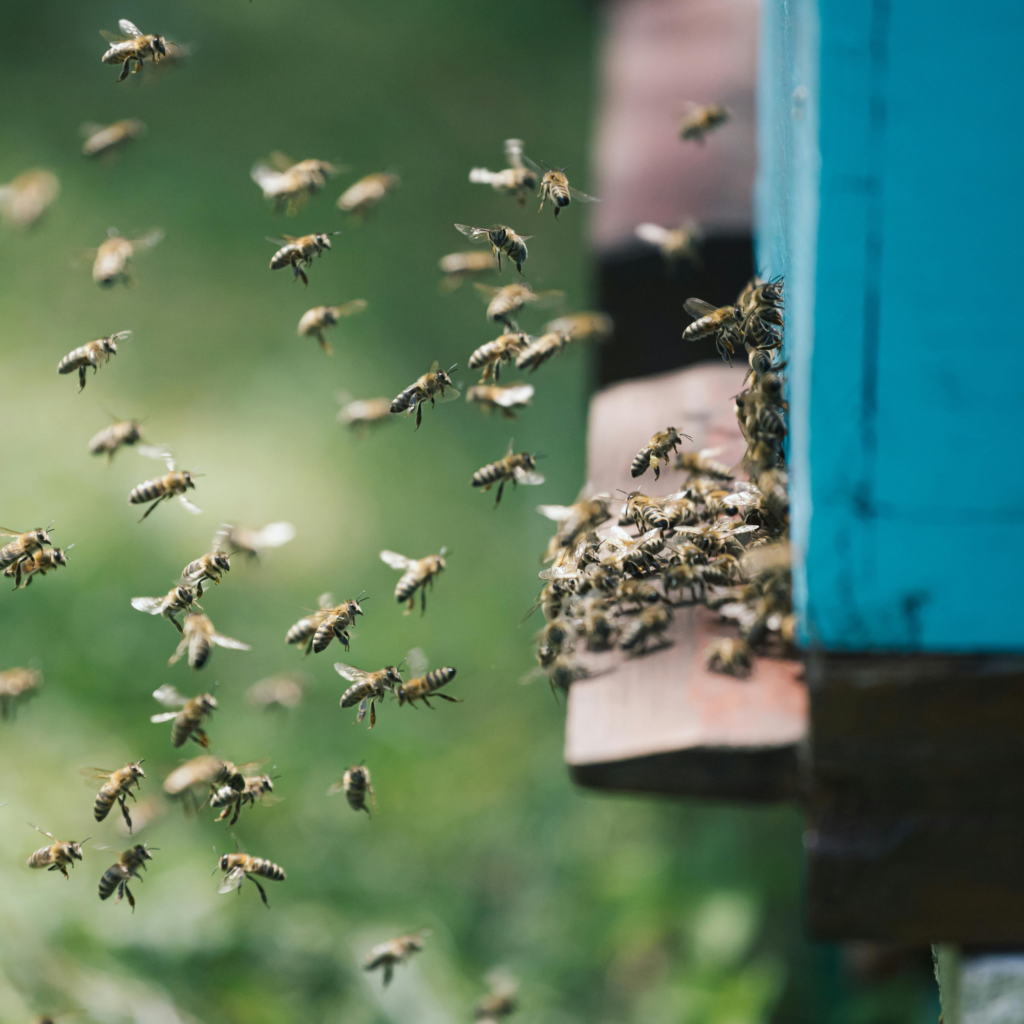
Across the UK, bee populations are under increasing pressure. Beekeepers are seeing the effects first hand, with colonies struggling to survive changing weather conditions and reduced food availability. But this is not just a UK issue, the decline of bees is being seen globally and it is being driven by a combination of challenges that are all connected.
1. The climate crisis

There is no doubt that the climate crisis is affecting bees, and increasingly unpredictable weather is just one part of the problem. Longer, wetter winters, sudden temperature changes, and shifting seasons all disrupt when flowers bloom and how bees feed, making survival much harder. While many of us are starting to take steps to slow the pace of global warming, at home making small daily changes that add up, and businesses taking more responsibility, there is still a long way to go.

Over the past decade, there have been signs of progress. In some regions, emissions have begun to stabilise or fall, and global growth in renewable energy has accelerated significantly. These shifts show that change is possible when behaviour, policy, and innovation come together. But the overall pace of change is still not fast enough to fully protect ecosystems and the wildlife that depend on them, including bees.

And this is where the next generation matters more than ever. When children grow up understanding nature, caring about it, and feeling connected to it, they carry that forward.

2. Habitat destruction

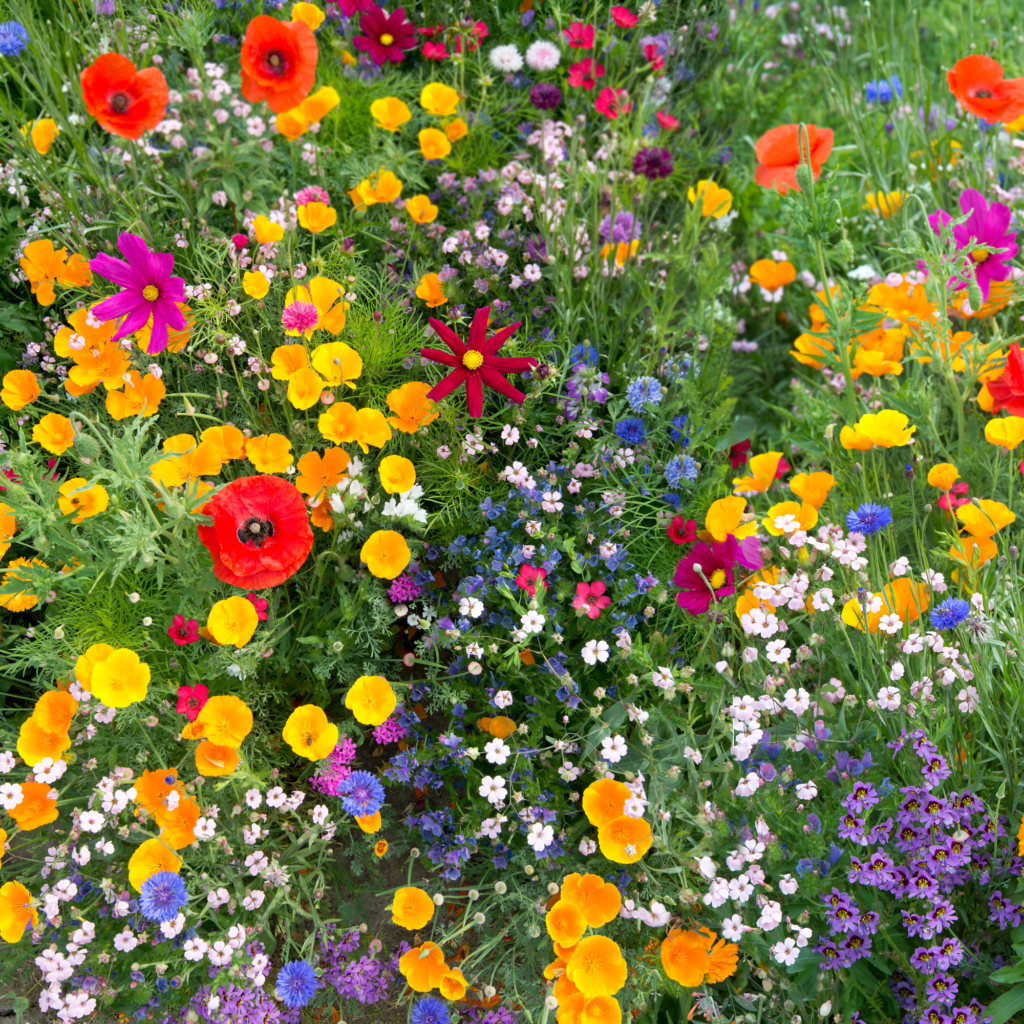
This is one of the biggest challenges bees are facing. Over the past century, the UK has lost around 97% of its wildflower meadows. That is not just land, it is food, shelter, and entire ecosystems disappearing. With fewer places to go, bees are now competing for the same spaces, travelling further, and working harder just to survive. This uses more energy and leaves less room for recovery, which can weaken colonies over time. This is where something as simple as planting more becomes really powerful. It does not need to be a large garden. A pot on a windowsill, a small patch of unused ground, or even a few flowers in a corner can make a difference.

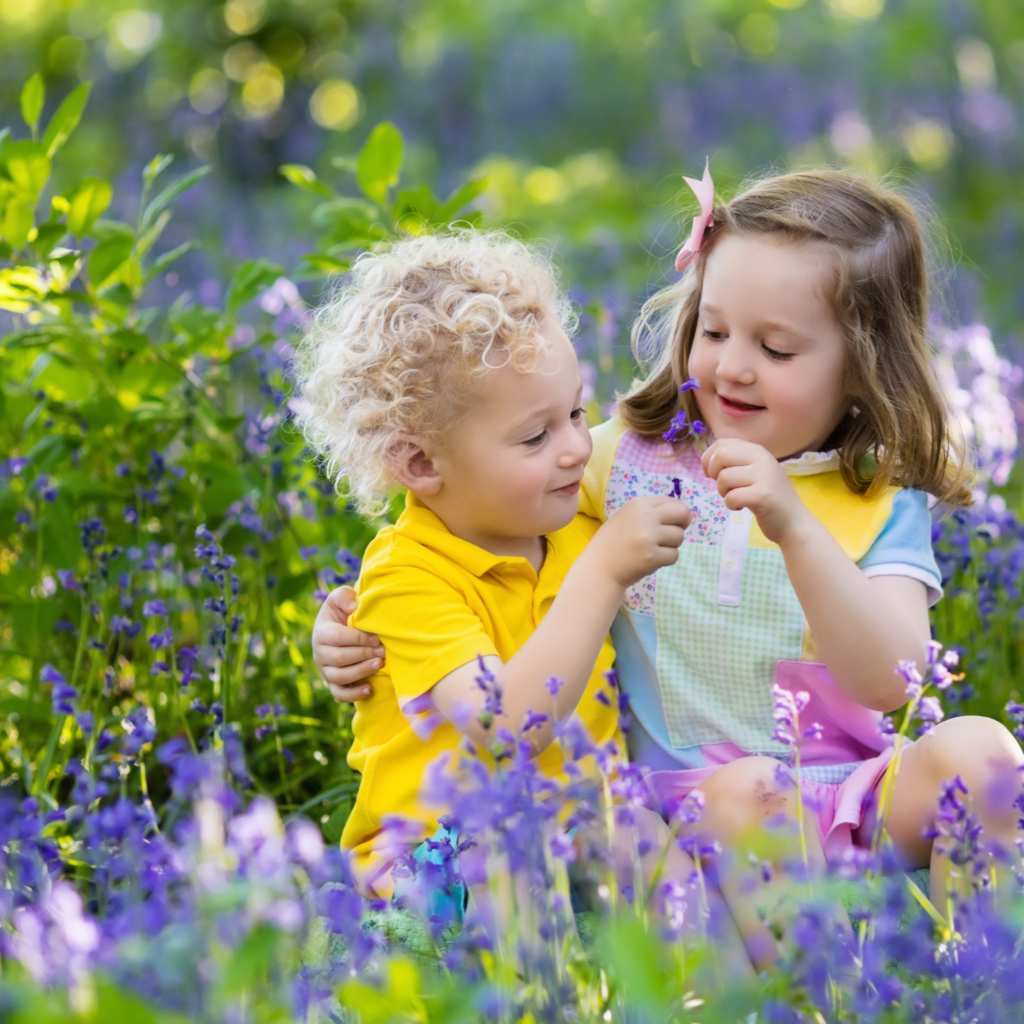
And for children, planting and gardening can become something more. A wholesome outdoor adventure, a chance to get their hands in the soil, watch things grow, and feel part of something bigger.

3. Chemicals

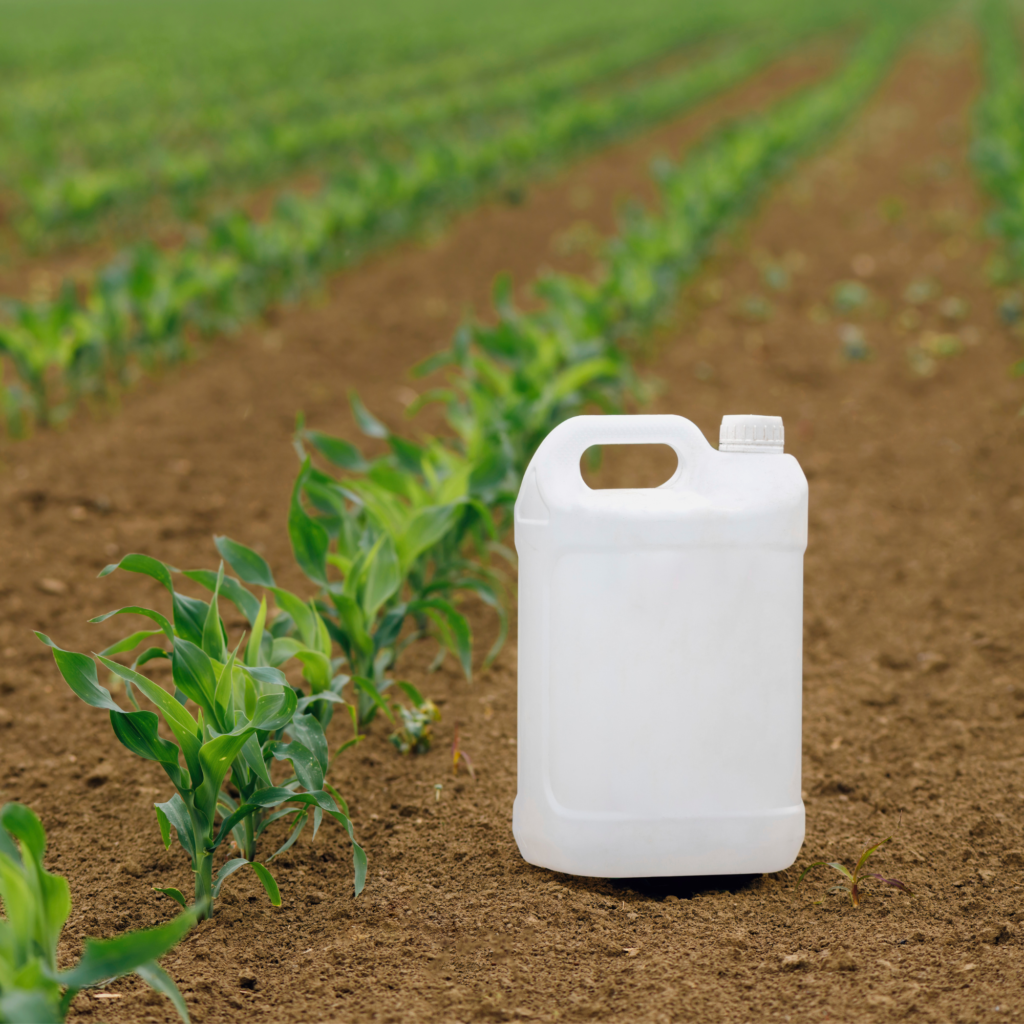
Pesticides and chemicals are widely used, and while many are aware they can be harmful, their impact on bees is significant. Some studies have shown that certain pesticides can reduce bee populations in affected areas. These chemicals can interfere with how bees navigate, how they feed, and how they reproduce, making it harder for colonies to survive and recover. It is not just large scale farming. Everyday garden products can also play a role, often used without realising the wider impact on pollinators. Choosing to reduce or remove chemicals is not about being perfect, it is about being more aware of the role they play in the wider ecosystem.

And if your children are starting to question what we use in our gardens, it might just be the perfect moment to listen.

4. Education

In the UK, children are spending less time outdoors than previous generations. One report found that only 27% of children regularly play outside, compared to over 70% of their grandparents’ generation. It is not intentional, it is simply how life has shifted, with more time spent indoors and on screens. But it matters. Because when children understand something, they care about it, and when they care, they protect it. Those small moments, planting something together, watching bees in the garden, asking questions, they shape how the next generation sees the natural world.

And when children feel connected to nature, they carry that forward in ways that can shape the future for the better.

5. Cost of living

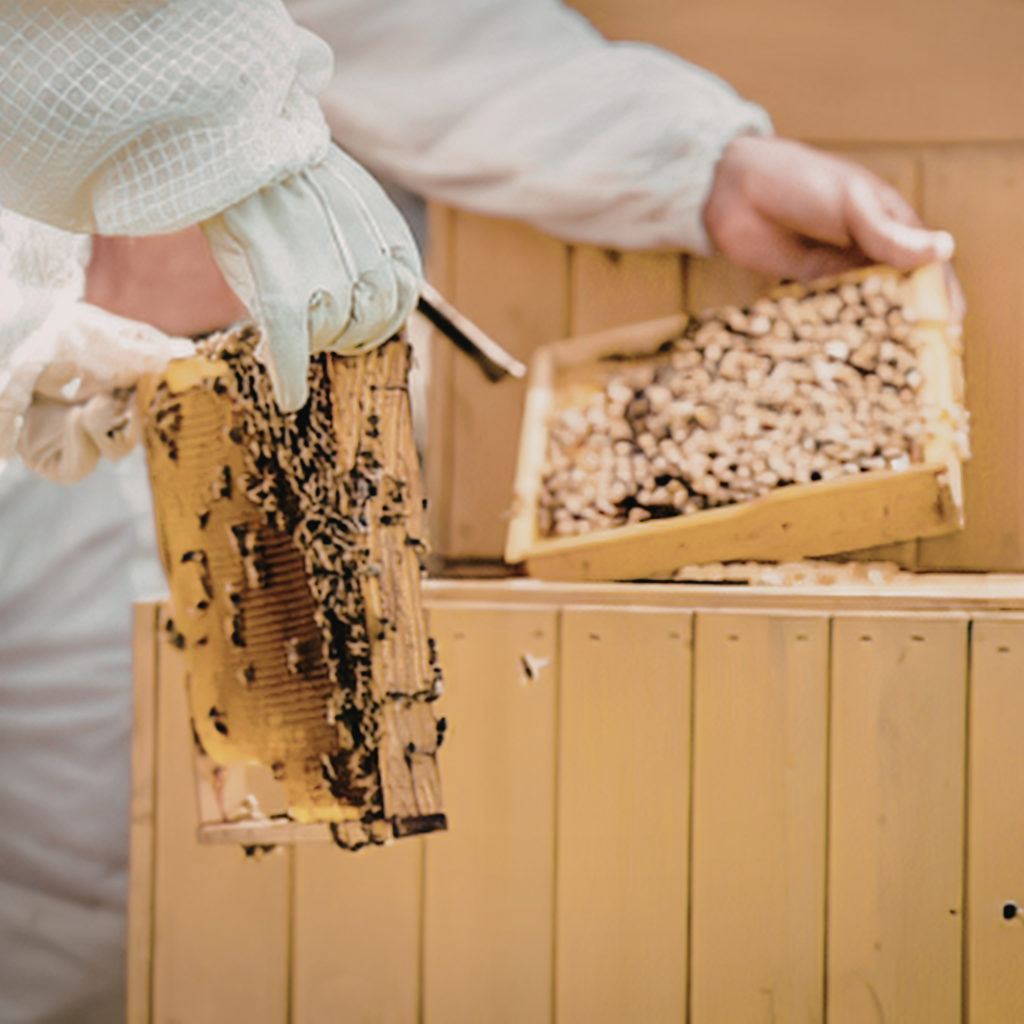
This is a side of the conversation that does not get talked about enough. Honeybees have traditionally been one of the most protected bee species in the UK because they are managed by beekeepers. In fact, around 97% of honeybee colonies are kept in hives.

However, the cost of maintaining those hives has risen significantly in recent years. The price of sugar used to feed bees during difficult seasons has increased sharply, alongside rising costs for equipment, fuel, and disease management. Some beekeepers have reported feed costs doubling compared to previous years. For many, this is becoming harder to sustain. This means even our protected bees are under pressure too.

By spending more time outdoors and helping nature grow, children can give bees the best chance to thrive, both inside and outside the hive.

We cannot change the weather overnight, but if we all do a little more for the world around us, we can begin to make a difference. And when enough of us take part, those small actions really do start to matter.

How you can help

Here are some simple ways you can help:

Plant for pollinators

You don’t need a big garden. A pot on a windowsill, a balcony box, or a small patch of soil can all provide vital food for bees.

Leave out water

A shallow dish with a few stones gives bees a safe place to land and drink, especially during warmer months.

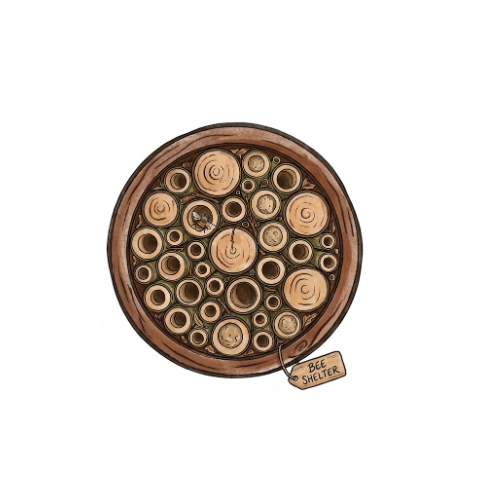
Create a little shelter

Let a corner of your garden grow wild. Leave stems, logs, or undisturbed patches where bees and other wildlife can rest.

Don’t be afraid of bees

Most bees aren’t interested in us. Give them space and they’ll carry on doing their thing.

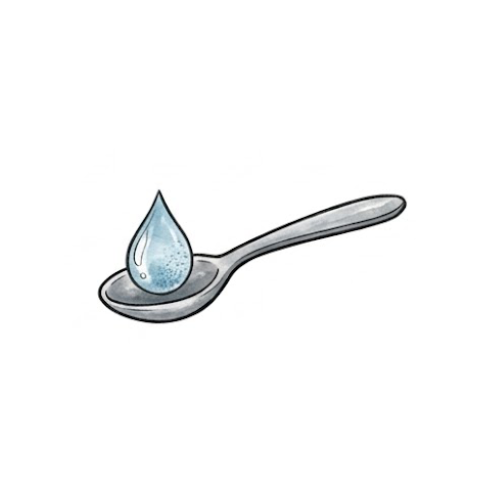
Help a tired bee

If you spot a bee struggling, a small amount of sugar water can help revive it. Avoid honey, as it can spread disease.

Avoid chemicals


Try to reduce or remove pesticides and weed killers where possible. Even small changes can make a big difference.

References – Food and Agriculture Organization, Intergovernmental Panel on Climate Change, International Energy Agency, Natural England, University of Sussex, British Beekeepers Association, National Bee Unit, Save the Children, University of Exeter

Leave a Reply

Your email address will not be published. Required fields are marked *

Fill out this field
Fill out this field
Please enter a valid email address.
You need to agree with the terms to proceed